20 July 20266 min read
Why Do Laddus Sit at the Heart of Every Maharashtrian Festival? Diwali Faral to Ganpati Prasad
The laddu is older than you think. An ancient physician rolled the first one, and kings wrote it into their encyclopedias. The story of why this small round sweet anchors every Maharashtrian celebration.

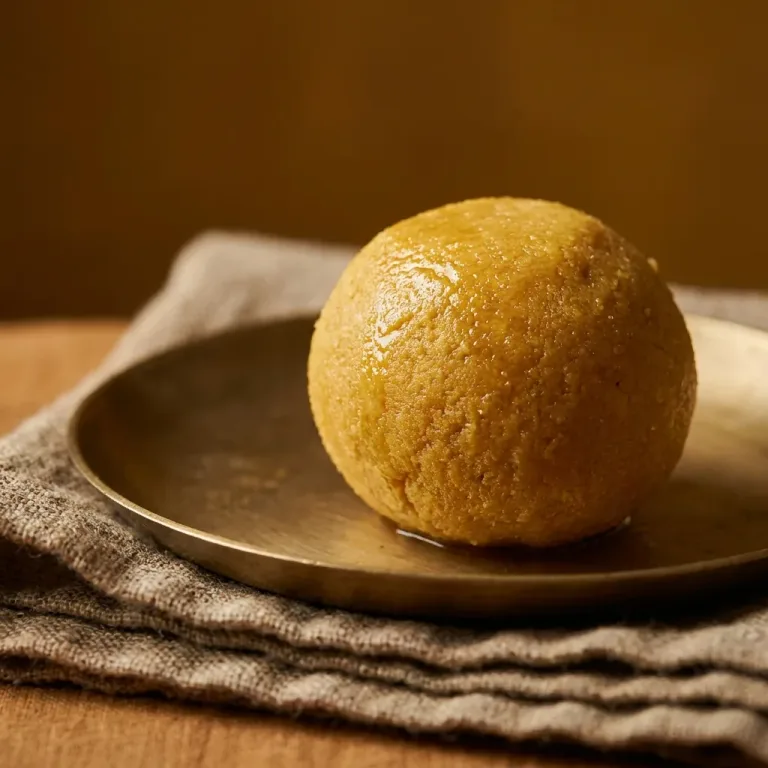
Ask a Maharashtrian which sweet they remember from childhood celebrations, and the answer almost always begins with a laddu. Not a cake, not a pastry. A warm golden ball, rolled by hand in the kitchen at home. It appeared when exam results were good, when guests arrived, when a festival began. Somewhere along the way the laddu stopped being just a sweet and became a way of saying, this day matters.
A sweet older than memory
Here is a question for the next family gathering. How old is the laddu? Older than Pune? Older than the Marathi language? Picture this. A vaidya in ancient India has a patient too weak to eat a full meal. So he takes sesame, jaggery and honey and rolls them into a small ball. Easy to hold, easy to swallow, full of strength. The Sushruta Samhita, the ancient book of Indian medicine, has a name for it: ladduka. A small ball. Sound familiar? The first laddu in history was not a dessert at all. It was a dose of care, shaped to fit a human hand. That healing side of the laddu has a story of its own.
And from there, the laddu keeps turning up in India's old books, century after century. Follow the trail:
- 11th century: the Lokopakara, a household manual from the Deccan, lists the laddu as a sweet in its own right, no longer medicine
- 12th century: the Manasollasa, an encyclopedia by the Chalukya king Someshvara III, devotes whole chapters to the Deccan royal kitchen, sweets included
- 17th century: the Bhojanakutuhala, written in Sanskrit by Raghunatha, a scholar from a Maharashtrian family, records the dishes of Maharashtra in his time
So the next time someone presses a laddu into your palm at a wedding, know what you are holding. Close to a thousand years of written history, and a few thousand more of memory, still warm from the kitchen.
A sweet that marks the moment
The old books explain where the laddu came from. They do not fully explain why it stayed. For that, look at the laddu itself. It is round and complete, with no beginning and no end, which is why it sits so naturally on a puja plate as prasad. It is made from everyday things, besan, rawa, jaggery, ghee, so any home can make it. And it is shaped by hand, one at a time, so every laddu carries a little of the person who rolled it. When a laddu is pressed into your palm, you are not just being given food. You are being included.
Festivals through the year
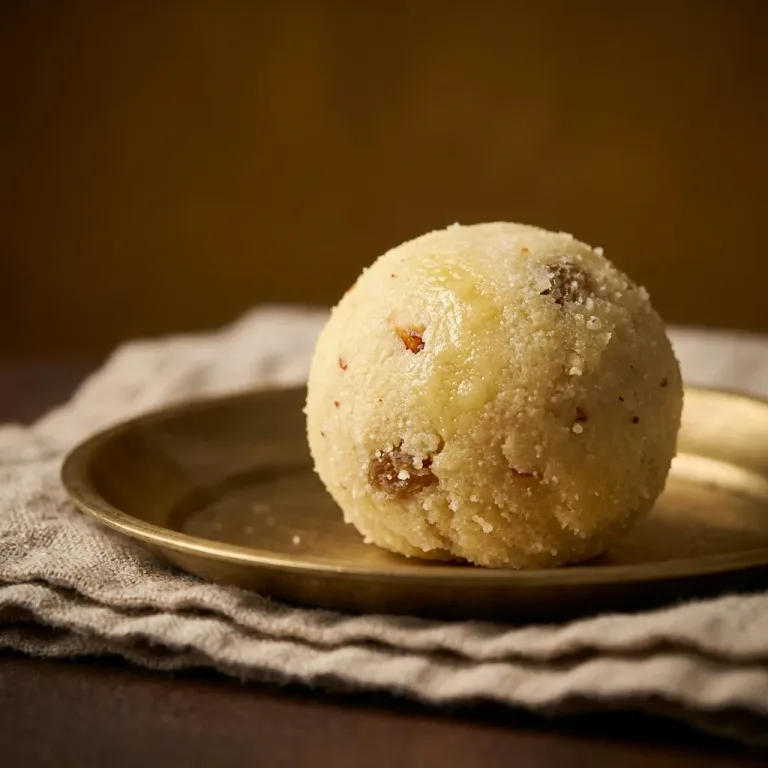
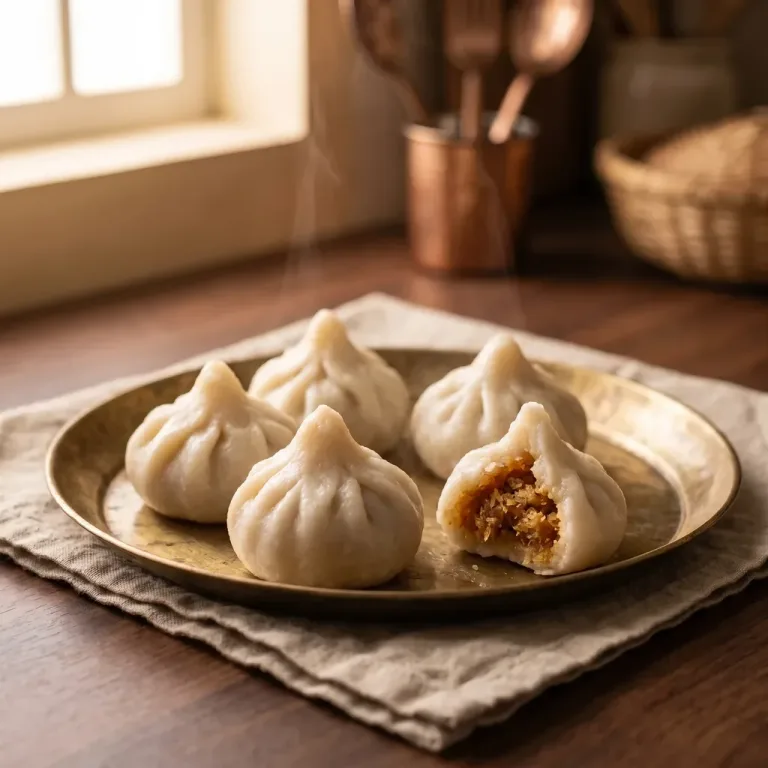
Follow the Marathi calendar and you will find a laddu waiting at almost every turn. The year opens with Gudi Padwa and its sweet beginnings. In Shravan, fasting-friendly sweets fill the kitchen. Ganesh Chaturthi brings ukdiche modak, and right beside them, plates of laddus offered as prasad to Bappa. Then comes the biggest of them all, Diwali, when the faral box is incomplete without a layer of besan or rawa laddus tucked beside the chakli and chivda.
- Diwali: besan and rawa coconut laddus anchor the sweet side of the faral box
- Ganesh Chaturthi: laddus sit beside modak as prasad for Bappa
- Weddings and sakharpuda: trays of laddus travel between the two families
- A baby's barse, a new home, good news of any kind: someone opens a box of laddus
Why does the homemade one still matter?
Shops sell laddus all year round, and yet the one made at home is the one people remember. A home kitchen roasts besan slowly, on a patient flame, until the whole house fills with its aroma. It uses desi ghee without measuring twice. It rolls the laddus while the mixture is still warm, because that is when they hold together best. None of this scales to a factory. It only happens in small batches, made for people whose names you know.
If reading this brought back the aroma of besan roasting in ghee, that memory has a taste, and we make it fresh for every order. Have a look at our laddus, or send us a message on WhatsApp and tell us which one your home used to make.
Frequently asked questions
Which laddus go into a Diwali faral box?
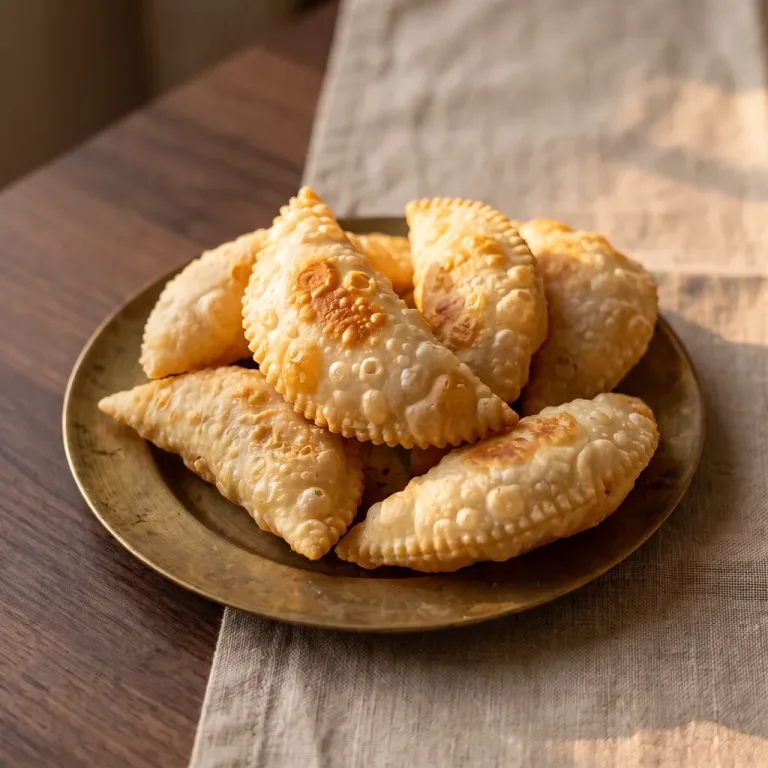
Traditionally besan laddu and rawa coconut laddu anchor the sweet side of the faral, next to karanji, chakli, shankarpali and chivda. Many homes add churma or dink laddu for variety.
Why is the laddu offered as prasad in Maharashtrian pujas?
Its round, complete shape, with no beginning and no end, sits naturally on the puja plate, and it is made from everyday kitchen ingredients like besan, rawa, jaggery and ghee, so any home can offer it.
How old is the laddu?
The Sushruta Samhita, the ancient Ayurvedic text, describes a rolled ball called ladduka, and household books have recorded laddus for close to a thousand years, from the 11th century Lokopakara onward.
Where can I order homemade laddus in Pune?
Gharguti Godwa makes besan, rawa naral, nachani, dink, methi, shengdana, churma and moong laddus in small batches in a home kitchen in Bavdhan, Pune. Orders are taken over WhatsApp.