20 July 20267 min read
Diwali Faral Guide: What Goes in the Box, and Why?
Faral comes from phalahara, a word that once meant fasting fare. How did it become the name of the most generous spread of the Marathi year? The Diwali faral box, its thousand-year-old festival and everything in it, item by item.

In most of India, Diwali means sweets. In Maharashtra, Diwali means faral, and faral is a bigger idea than sweets. It is a full spread, sweet and savoury together, made in the days before the festival and eaten all through it. The first faral plate of the year, with the first bath of Narak Chaturdashi still fresh, is a ritual of its own. If you grew up in a Marathi home, you can probably picture the exact tin it was stored in.
A word older than the recipes
Start with the word itself, because it is hiding a story. Faral comes from the Sanskrit phalahara, phala plus ahara, a meal of fruit. It originally meant the light food eaten on a fasting day. Somewhere along the centuries, Marathi took the word for its most austere eating and handed it to its most abundant: the once-a-year spread of Diwali. Nobody planned the irony, and nobody seems to mind it. In parts of North Karnataka, too, the same word arrives with the same festival.
And the festival this box belongs to has a paper trail longer than most kingdoms. Around the year 1030, the Persian scholar Al-Biruni, writing about India, recorded Hindus celebrating Deepavali on the new moon of Kartik. That is nearly a thousand years of documented Diwali, and the lamps are older still. When you open a faral box, you are opening a very recent chapter of a very old book.
Why is the first plate eaten at dawn?
The opening ritual of the Maharashtrian Diwali explains itself through a story. On Narak Chaturdashi, tradition says, Krishna, with Satyabhama beside him, slew the demon Narakasura just before dawn. So Maharashtra rises in the dark for abhyanga snan, the oil and utne bath that washes the old year off your skin while the sky is still deciding its colour. And then comes the reward every Marathi childhood remembers: the first faral plate of the year, eaten by lamplight, chakli in one hand and laddu in the other, hours before the sun shows up. No other breakfast of the year is earned this early. And if you were thinking of Vamana and King Bali, that story belongs to this festival too, just a little later in the week, on Bali Pratipada.
The sweet side of the box
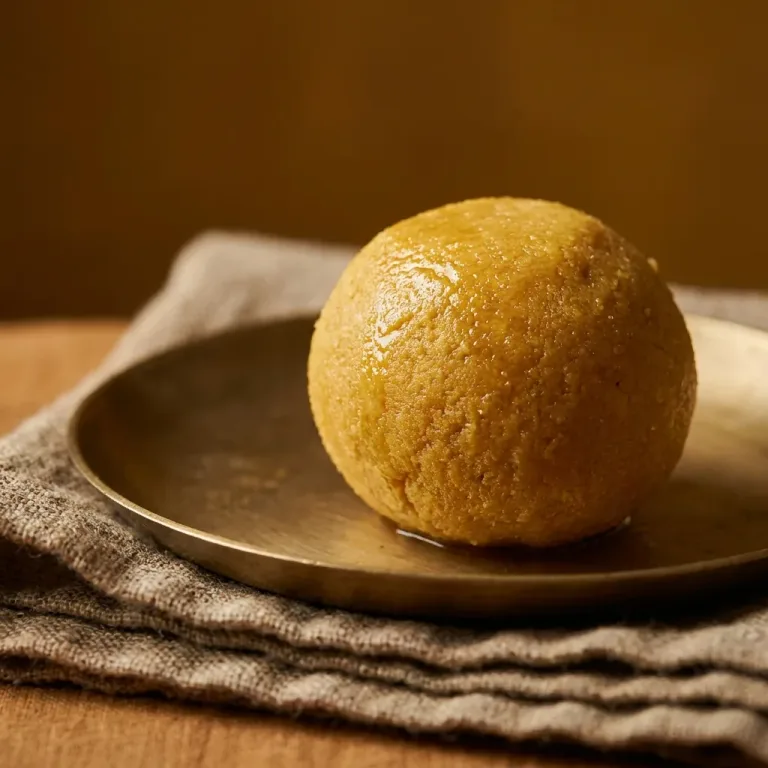
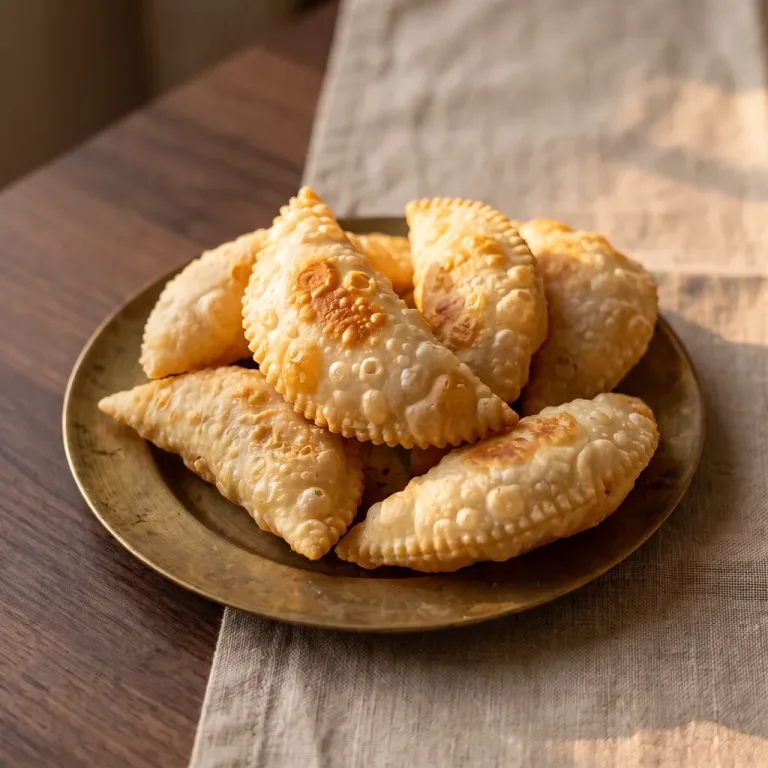
The laddu is the anchor of the sweet side. Besan laddu, roasted slow in desi ghee, is the classic, with rawa naral laddu close behind. Beside them sits the karanji, a crisp half-moon stuffed with roasted dry coconut and dry fruits, its crimped edge a quiet point of pride for whoever folds it. Shankarpali, sweet little diamonds of fried dough, fill the gaps in the box and disappear the fastest.
The karanji, by the way, has cousins all over the map. North India folds the same half-moon and calls it gujiya. Andhra fries kajjikayalu, Karnataka makes karjikai, Goa rolls out nevri. Same idea, different accents, and every region quietly certain that its own is the original. Maharashtra does not argue. It just crimps the edge a little neater and passes the plate.
The savoury side
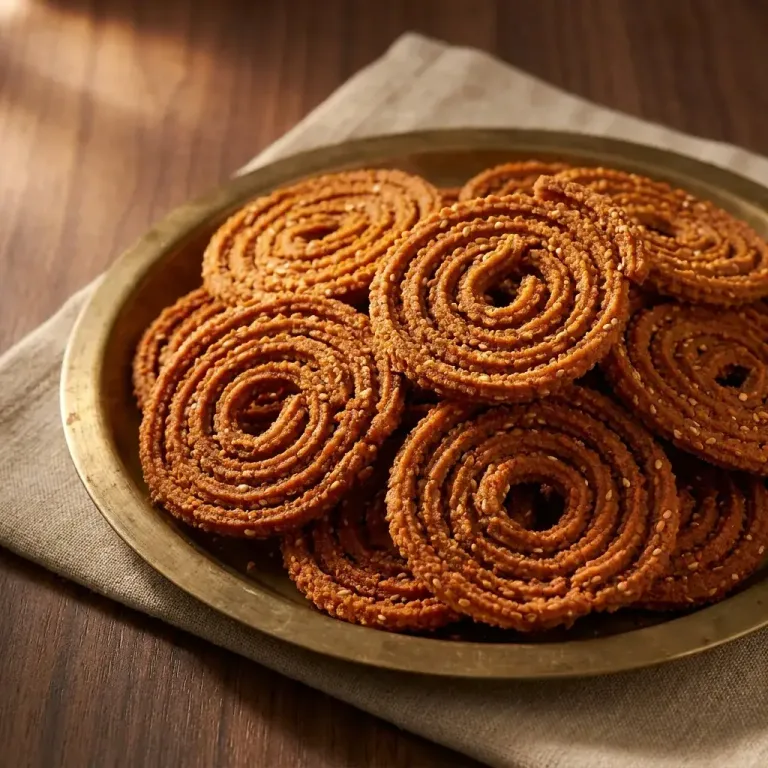
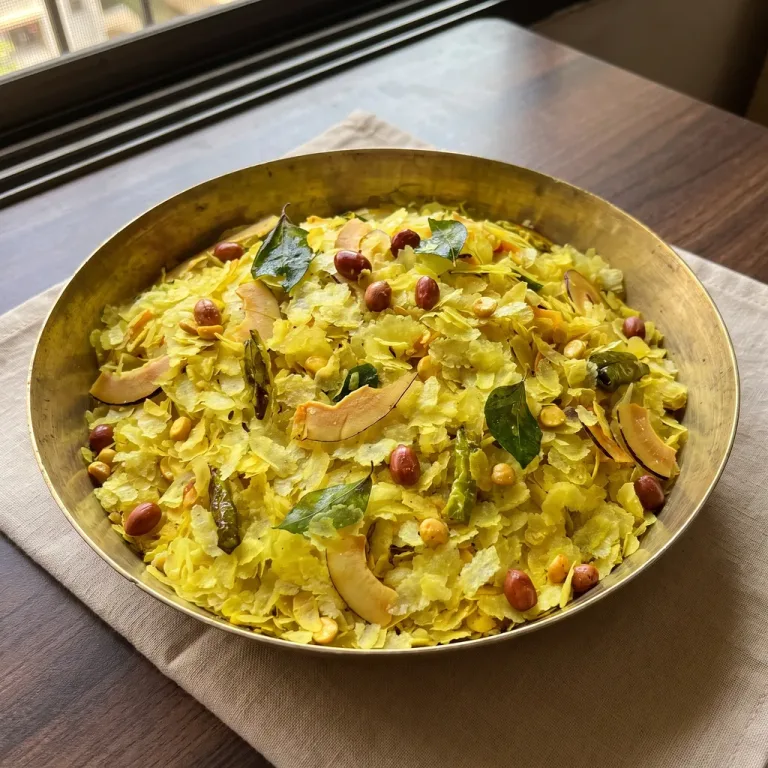
Faral without the savoury half is just a sweet box. Chivda, flattened poha tempered with curry leaves, peanuts and just enough spice, is what everyone reaches for between the sweets. And its main ingredient has a famous history of its own. Poha is the humble gift Sudama carried to his friend Krishna in Dwarka, in the story the Bhagavata Purana tells. Flattened rice has been winning hearts for a very long time. Chakli, the spiral made from bhajani flour, is the true test of a faral maker, and its crunch is judged openly at every Diwali gathering. Together they balance the plate, a bite of sweet, a bite of spice, and back again.
- Besan laddu and rawa naral laddu, the sweet anchors
- Karanji, filled with dry coconut, crisp and flaky
- Chakli from bhajani, the crunch test
- Chivda, the in-between snack that never lasts
- Shankarpali, for the corners of the box
Ordering your faral instead of making it
Many homes today have the memory of faral but not the week it takes to make it. If you are ordering instead, look for the same things an aaji would insist on. Small batches, desi ghee in the laddus, chakli fried the same week it is delivered, and someone who will actually answer when you ask what went into the food. That is the standard we hold our own faral to. And here is the part many people miss: you do not have to wait for Diwali. Our laddus, chakli, chivda and karanji are made to order all year round, so the faral box can arrive whenever you miss it. Send us a WhatsApp message a few days ahead and it will be ready.
Frequently asked questions
What items go into a traditional Diwali faral box?
The sweet side holds besan laddu, rawa naral laddu, karanji and shankarpali; the savoury side holds chakli made from bhajani and poha chivda. Homes add their own extras, but these six are the core of the Maharashtrian faral.
What does the word faral actually mean?
Faral comes from the Sanskrit phalahara, a meal of fruit, the light food of a fasting day. Over the centuries Marathi handed the word to the most generous spread of the year, the Diwali faral.
When is the first faral of Diwali eaten?
Traditionally at dawn on Narak Chaturdashi, right after the abhyanga snan, while the lamps are still lit. After that first plate, the faral box stays open through the whole festival.
Can I order Diwali faral in Pune?
Yes. We make laddus, chakli, chivda, karanji and shankarpali to order in our home kitchen in Bavdhan, Pune, in small batches with desi ghee, all year round. Orders are taken over WhatsApp a few days ahead.