20 July 20267 min read
Ganesh Chaturthi Sweets and Prasad: Why Does Bappa Love the Modak, and Why 21 on the Plate?
Why does Bappa love the modak? Why exactly 21 on the naivedya plate? And how did a family puja become one of the world's biggest street festivals, starting in Pune? The sweets of Ganesh Chaturthi, with their stories told properly.

For ten days every year, Maharashtrian kitchens cook for one very particular guest. Ganesh Chaturthi is the festival where food is devotion, and every home has its own rhythm of naivedya, the daily offering placed before Bappa. The modak rightly gets the spotlight. But sit through the ten days in a Marathi household and you will see a whole cast of sweets take their turn on the prasad plate.
Why does Bappa love the modak?
Every Maharashtrian child knows that Bappa loves modak. Very few know why. The Padma Purana tells the story. One day a divine modak came to Shiva and Parvati. Whoever ate it would gain mastery of every shastra, every art, every vidya. Both sons wanted it, so Parvati set a test: prove your devotion by visiting every holy tirtha, and the sweet is yours. Kartikeya leapt onto his peacock and was gone, racing from one sacred place to the next. Ganesha did not move. He walked three slow circles around his mother and father, folded his hands, and said that all the tirthas in the world live at the feet of one's parents. Parvati gave him the modak. That is the sweet we still offer him. And the name itself smiles: modak comes from moda, the Sanskrit word for joy.
यो मोदकसहस्रेण यजति स वाञ्छितफलमवाप्नोति
Shri Ganapati Atharvashirsha, phala shruti
Those words are from the Shri Ganapati Atharvashirsha, the hymn chanted in countless homes through these ten days. The promise is plain: offer a thousand modaks and what you wish for is yours. And why exactly 21 on the naivedya plate? Ask three aajis, get three answers. The first will tell you Bappa was satisfied only after the 21st. The second counts a person out on her fingers: 5 organs of action (speech, hands, feet, excretion, procreation), 5 senses (eyes, ears, nose, tongue, skin), 5 elements (earth, water, fire, air, space), 5 tanmatras (sound, touch, form, taste, smell) and 1 mind. Add them up and you get 21, which is to say you hand over the whole of yourself. The third will not explain. She lays 21 blades of durva at his feet and leaves it at that. In this festival, even the arithmetic is devotion.
The modak, first among equals
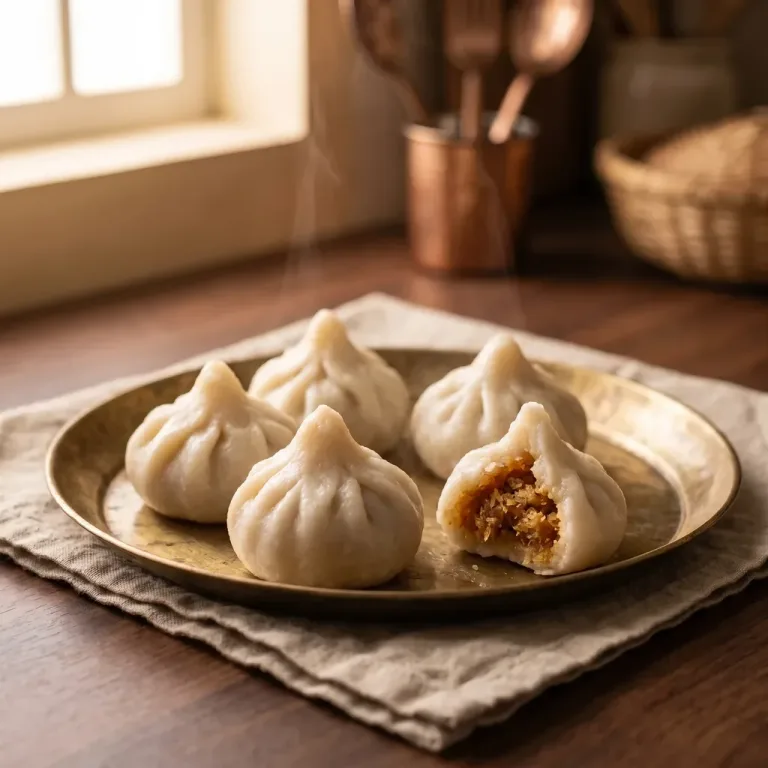
Ukdiche modak, steamed rice-flour pockets filled with coconut and jaggery, are the heart of the festival, especially on the first day, when the naivedya must be just right. Making them is a skill handed down carefully, the thin ukad shell, the neat pleats, the soft saran inside. In many homes the first properly pleated modak of a young cook is celebrated like a small graduation.
The festival Pune gave the world
Here is the part of the story that belongs especially to Pune. Ganesha was the kuladaivat of the Peshwas, and in their time Ganesh Chaturthi was celebrated grandly in the city. After 1818 the festival folded quietly back into family homes. Then, in 1892, Shrimant Bhausaheb Rangari installed a public Ganesha idol in his wada in Pune, the first sarvajanik Ganeshotsav, a few kilometres from where our laddus are rolled today. The next year Lokmanya Tilak threw the weight of his newspaper Kesari behind the idea, and in that same 1893 the chawls of Girgaon raised Mumbai's first public Ganpati. Within a few years the household puja had become a festival for whole neighbourhoods, and today it is one of the biggest street festivals in the world. As the festival grew, its sweets grew with it. Prasad was no longer for one family. It was for every hand in the lane.
Where do the laddus come in?
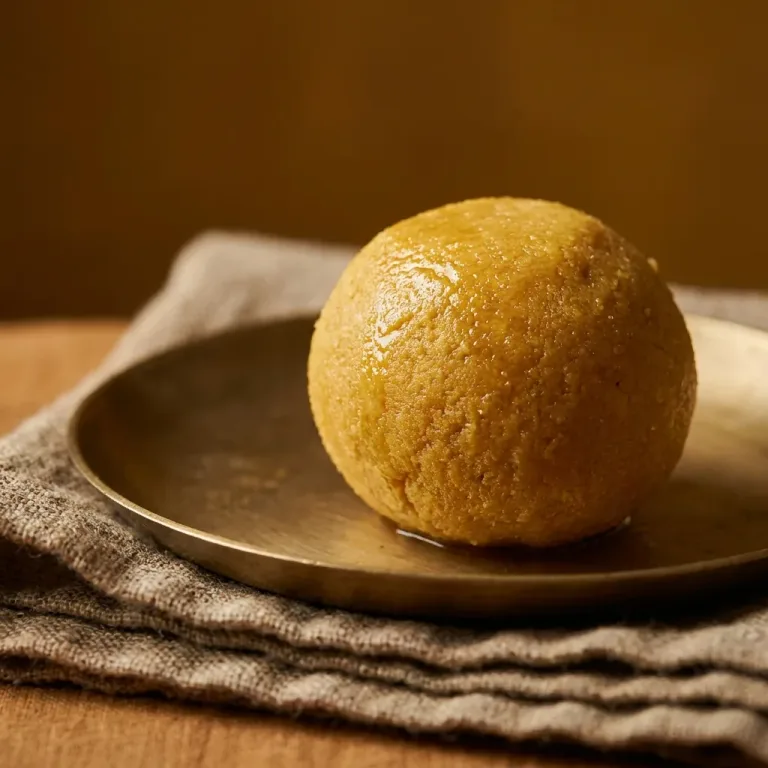
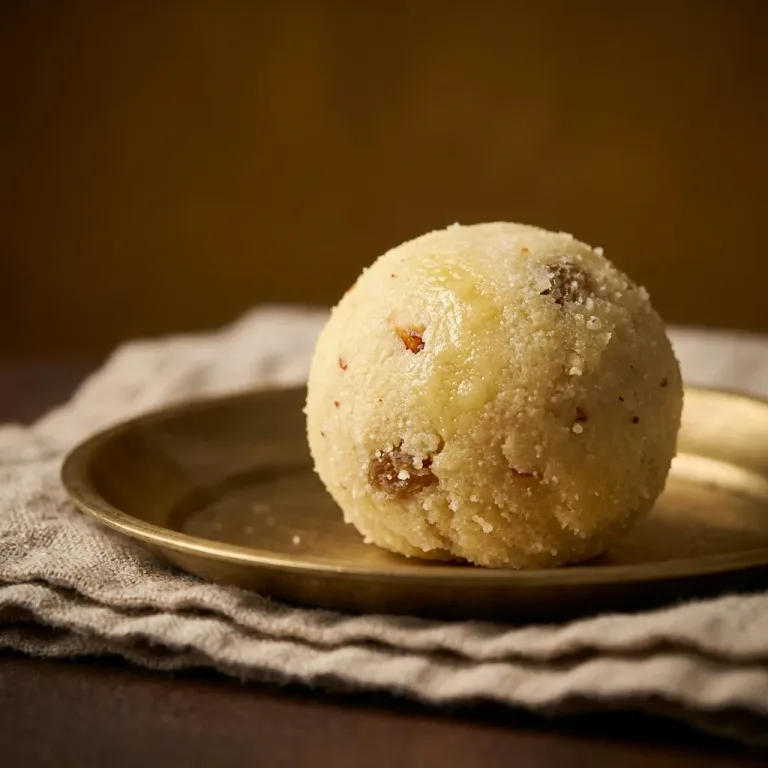
Modak takes time, and the festival runs ten days. This is where laddus earn their place. Besan and rawa naral laddus keep well, travel well and can be offered fresh through the whole festival, which is why trays of them appear beside the modak from the second day onward. They are also what visiting guests are actually handed, because a laddu asks for no plate and no spoon. Bappa gets the modak. Everyone who comes to see Bappa usually leaves with a laddu.
- Ukdiche modak for the first naivedya and the big days
- Besan and rawa naral laddus for daily prasad and for guests
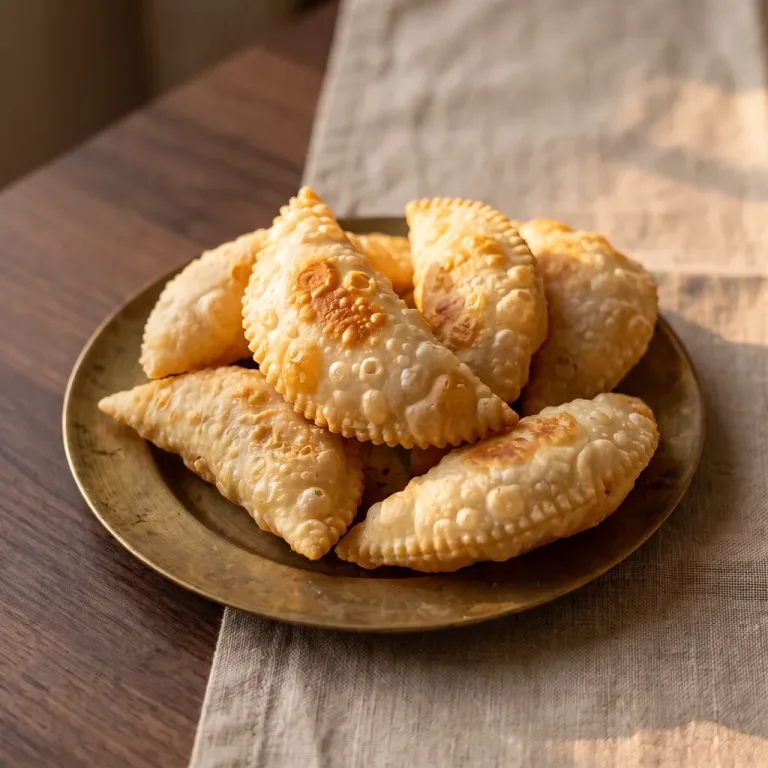
- Karanji and shankarpali when the whole extended family gathers
- Fruit, panchamrut and the simple things that complete the plate
Modak, any day of the year
One small confession before we finish: you do not have to wait for Ganesh Chaturthi. Our ukdiche modak are made to order all year round, steamed fresh for the day you want them, and the laddus are rolled the same way, in small batches. For a puja at home, for a Sankashti, or simply because someone in the house loves modak, send us a WhatsApp message a few days ahead and we will have them ready.
Frequently asked questions
Why is the modak offered to Ganpati?
The Padma Purana tells of a divine modak that Parvati awarded to Ganesha after he circled his parents, saying all the tirthas of the world live at their feet. The name itself comes from moda, the Sanskrit word for joy.
Why are 21 modaks offered in the naivedya?
Traditions vary. One story says Bappa was satisfied only after the 21st modak. Another counts a person: 5 organs of action, 5 senses, 5 elements, 5 tanmatras and 1 mind, which add up to 21, the whole of yourself handed over. The same 21 returns in the durva blades laid at his feet.
Which sweets are offered as Ganesh Chaturthi prasad besides modak?
Besan and rawa naral laddus appear beside the modak from the second day, since they keep and travel well, with karanji and shankarpali when the family gathers, plus fruit and panchamrut to complete the plate.
Can I order ukdiche modak in Pune outside the festival?
Yes. We steam ukdiche modak to order all year round in our home kitchen in Bavdhan, Pune, for Sankashti, home pujas or any day someone wants them. Orders are taken over WhatsApp a few days ahead.