20 July 20266 min read
Nachani, Methi and Dink Laddu: The Winter Laddus Maharashtrian Grandmothers Swore By
Long before anyone said superfood, a Maharashtrian grandmother could look at the season, look at you, and know which laddu to roll. The tradition behind nachani, methi and dink laddus, from three-thousand-year-old Deccan millet to a winter rule the old Ayurvedic texts wrote down.

In a Maharashtrian home, not every laddu is for celebration. Some laddus are for care. When winter set in, when a mother was recovering after childbirth, when a child needed strength, the kitchen answered before the medicine cabinet did. The grandmother made a specific laddu, for a specific person, at a specific time of year. That quiet tradition is where our nachani, methi and dink laddus come from.
A calendar written in laddus
These homes ran on a calendar that hung on no wall. Ayurveda's old texts, like the Ashtanga Hridaya, call it ritucharya, living by the season. Early winter, they say, is when the body's inner fire burns brightest and welcomes the richest food of the year, ghee, jaggery, everything slow and warming. Now, your aaji probably never read a page of Sanskrit. She did not need to. Her kitchen kept the same calendar to the week. The first real chill would arrive, and without anyone announcing anything, the dink would come down from the shelf and the kadhai would go on the flame.
Nachani, the everyday strength laddu
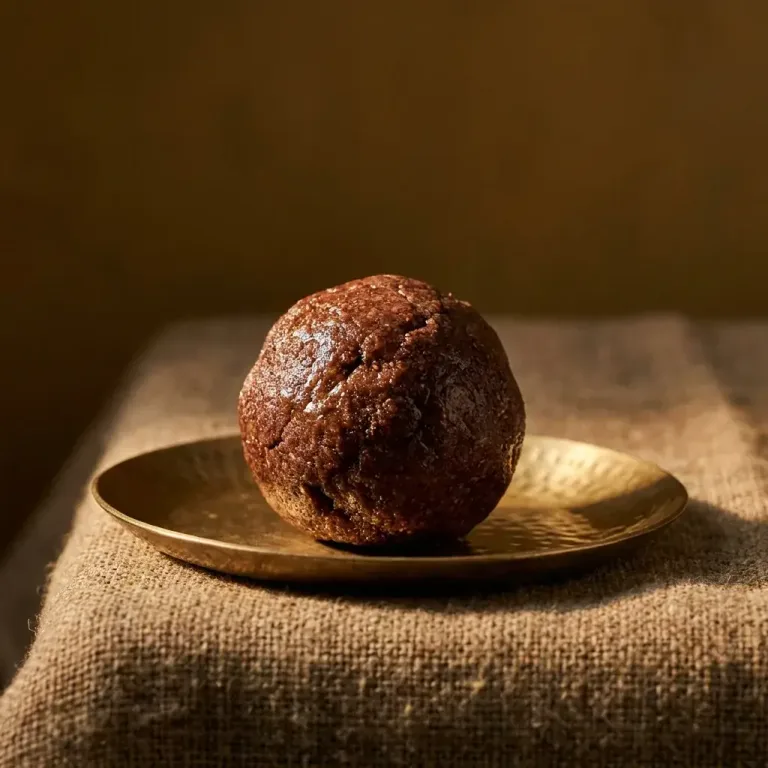
Nachani looks like the plainest thing in the pantry, a dusty red grain. Do not be fooled. Archaeologists studying the old farming settlements of the Deccan have found traces of finger millet going back around three thousand years. This grain was feeding families here before Pune existed, before Marathi was spoken, almost before memory. And Maharashtrian homes never forgot it. Nachani satva for the little ones, nachani bhakri for a day in the fields, and for everyone in between, the nachani laddu, ground, roasted and rolled with jaggery and ghee. The rare sweet that a school tiffin and an evening chai can both justify.
Methi and dink, the winter pair
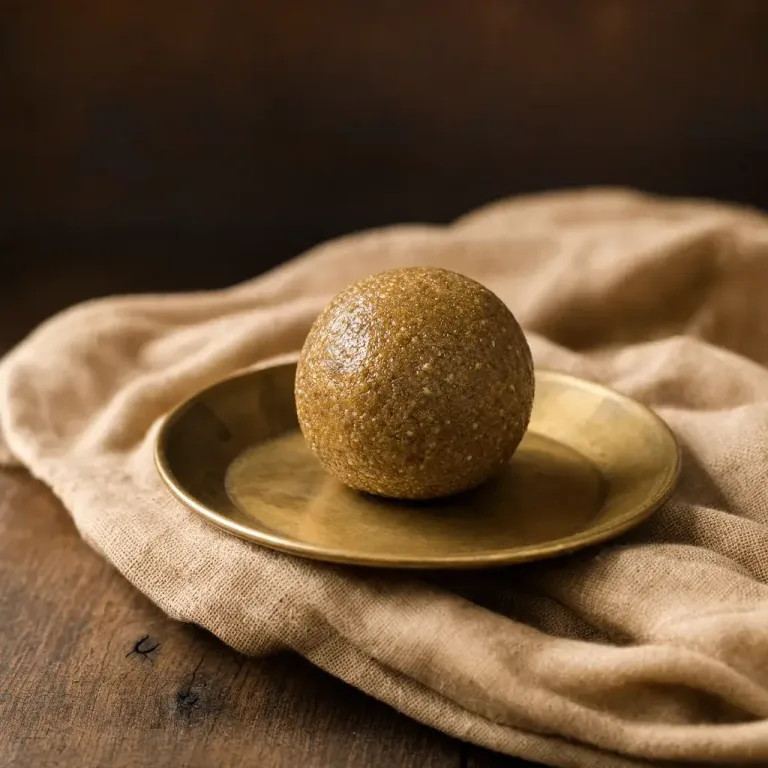
Methi laddus take courage to love and one bite to understand. The bitterness of fenugreek is softened with jaggery, ghee and slow roasting until only a warm, earthy depth remains. Grandmothers made them when the cold settled in and would quietly place one beside the morning milk. No lecture, no explanation. Just two words: khaun ghe. Eat it.
And the dink laddu carries the best proof of how deep this tradition runs. Travel across India in winter and you will keep meeting the same laddu under different names:
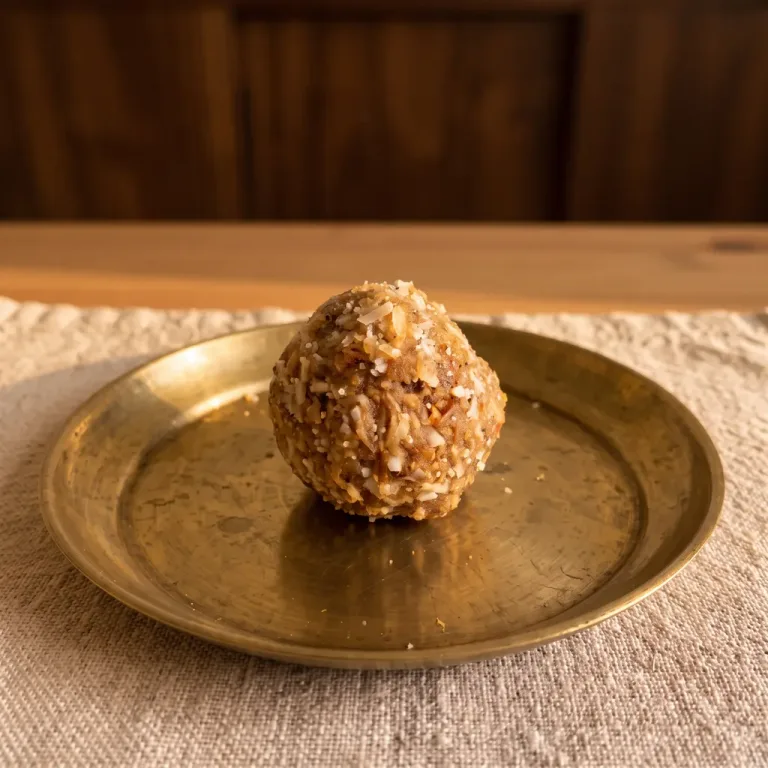
- Maharashtra: dinkacha laddu, made with edible gum fried till it puffs, rolled for new mothers and the coldest weeks
- North India: gond ke laddu, the same gum, the same winter, the same reason
- Karnataka: antina unde, pressed into the hands of new mothers there too
When crores of homes, speaking different languages, roll the same sweet at the same time of year for the same people, that is not coincidence. That is a tradition the whole country has tested, generation after generation, and chosen to keep. A recipe survives a season. An agreement like this survives centuries.
None of this is a medical claim, and we will never make one. It is older and simpler than that. These are recipes in which food, season and care were matched to each other by generations of home cooks, and the matching survived because it felt right to the people who ate it.
Made the way they were meant to be
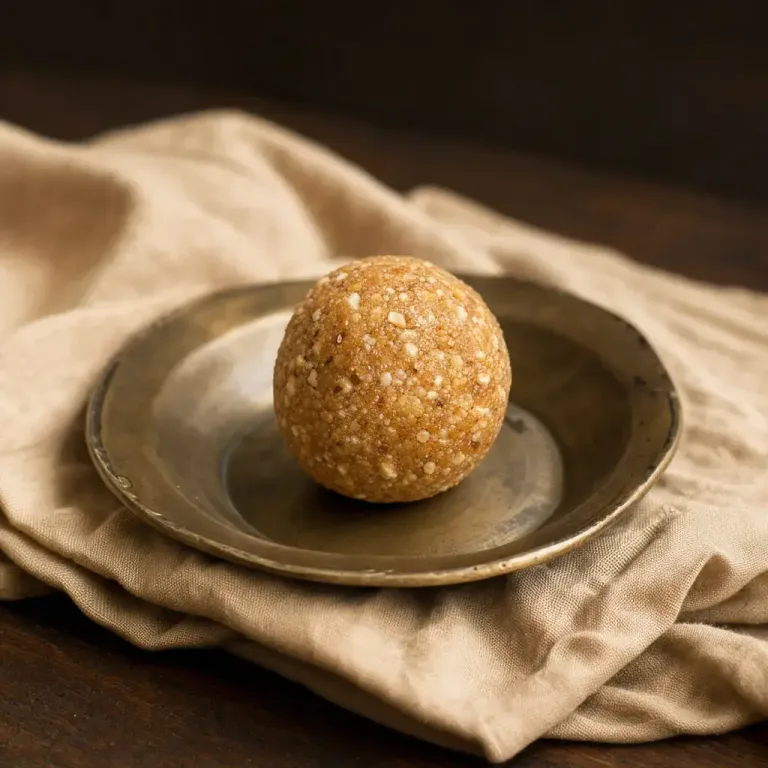
We make all three the old way, in small batches, with desi ghee, roasted patiently and rolled by hand. If there is someone in your home the grandmothers would have made these for, a growing child, a new mother, an elder who misses real food, you know which laddu to start with.
Frequently asked questions
Which laddus are traditionally eaten in winter in Maharashtra?
Dink (gond) laddu and methi laddu are the classic winter pair, following the old seasonal rhythm the Ayurvedic texts call ritucharya. Nachani laddu is the everyday strength laddu, eaten all year round.
What is dink (gond) laddu made of?
Its heart is edible gum, dink, fried in ghee till it puffs, then rolled with jaggery and dry fruits. North India makes the same laddu as gond ke laddu, and Karnataka as antina unde.
Are these laddus medicinal?
We make no medical claims. These are traditional recipes in which food, season and care were matched by generations of home cooks. They are eaten for taste and for the tradition, not as medicine.
Where can I buy nachani, methi or dink laddu in Pune?
We roll all three the old way in our home kitchen in Bavdhan, Pune: small batches, desi ghee, patient roasting. Orders are taken over WhatsApp.